

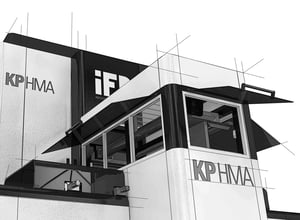
Choosing the right industrial parts washer isn't just about cleaning parts, it's about optimizing your entire production workflow. The wrong system can lead to inconsistent results, higher operating costs, excessive waste, and unexpected downtime. The right system integrates seamlessly into your process, delivers repeatable cleanliness, and reduces your long-term cost of ownership.
Three core technologies dominate the industrial parts washing landscape: solvent-based systems, aqueous (water-based) systems, and hybrid systems that combine both approaches. Each has distinct advantages and limitations. Understanding how these technologies perform across different applications will help you make an informed decision that supports your production goals.
Understanding the Three Technologies
Solvent Parts Washers
Traditional solvent parts washers use petroleum-based or chlorinated solvents in open-top tanks or spray cabinets. These conventional systems work but consume large amounts of solvent and create significant waste disposal challenges.
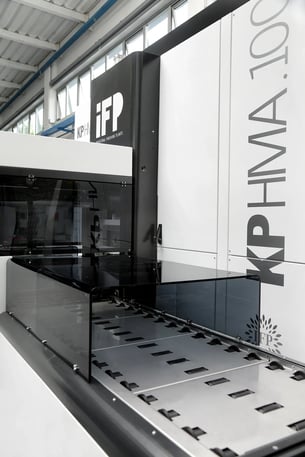
iFP Clean takes a fundamentally different approach. Our solvent parts washers use modified alcohol in a proprietary closed-loop vacuum degreasing process. Unlike traditional open-top solvent tanks, our vacuum systems operate in a sealed chamber with built-in distillation and recovery that dramatically reduces solvent consumption by up to 90%.
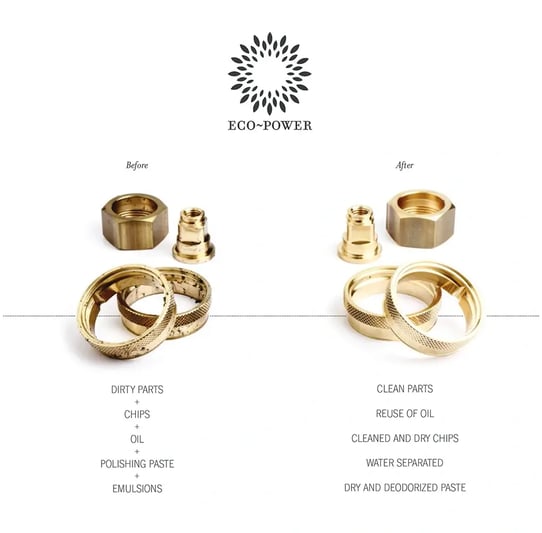
Our solvent cleaning excels at removing oils, greases, and cutting fluids from metal components. The chemistry penetrates deep into blind holes, threads, and complex internal geometries where water-based cleaners often fail. Our vacuum drying process eliminates the water spotting and mineral deposits that plague aqueous systems, delivering spot-free parts ready for immediate use or downstream processes like coating or assembly.
Aqueous Parts Washers
Aqueous systems use heated water combined with specialized detergents to clean parts. These systems typically operate through spray washing, immersion, or ultrasonic agitation. They're effective for removing water-soluble contaminants like coolants and certain types of machining residues.
However, aqueous cleaning introduces several operational challenges. Water requires filtration systems to remove suspended oils and particulates. Hard water creates mineral deposits on parts that require expensive reverse osmosis or deionized water systems to prevent. Drying often demands separate equipment or extended cycle times. Wastewater disposal presents both environmental and cost considerations, as contaminated water requires treatment before discharge.
iFP Clean Hybrid Parts Washers
iFP Clean's hybrid parts washers represent our most versatile cleaning solution. The KP.HYBRID series combines modified alcohol solvent cleaning with aqueous detergent in a proprietary three-tank configuration. This dual-chemistry approach targets both organic contaminants (oils, fats) and inorganic residues (emulsions, salts, coolants) in a single system.
Our hybrid systems use two tanks for solvent and one for aqueous solution, maintaining high throughput while handling diverse contamination challenges. This flexibility makes the KP.HYBRID particularly valuable for manufacturers dealing with multiple part types or varying contamination levels across their production schedule.
Key Decision Factors
Contamination Type and Level
Different contaminants require different cleaning approaches. Petroleum-based oils, synthetic cutting fluids, greases, and stamping compounds dissolve readily in solvent but resist aqueous cleaning unless paired with aggressive detergents and high temperatures. Water-based coolants and emulsions clean more easily with aqueous systems but require proper waste treatment.
Heavy contamination levels favor iFP Clean's solvent systems with built-in distillation. Our distillation process continuously regenerates the cleaning solvent by separating oils and contaminants, maintaining consistent cleaning power without frequent bath changes. Aqueous systems require more frequent filtration maintenance and bath replacement as contamination builds up.
Material Compatibility
Certain materials impose restrictions on cleaning chemistry. Aluminum alloys can develop oxidation or staining with some aqueous cleaners, especially at elevated temperatures. Magnesium requires careful chemistry selection to prevent corrosion. Composites and certain polymers may absorb water, leading to dimensional changes or performance issues.
iFP Clean's modified alcohol solvent cleaning offers broader material compatibility. Our systems clean titanium, stainless steel, aluminum, and many polymer materials without many material-specific concerns. If your production involves diverse materials or sensitive alloys, our solvent or hybrid systems provide more flexibility than aqueous alternatives.
Production Volume and Cycle Time
Production volume directly impacts which technology makes economic sense. High-volume operations benefit from the faster cycle times that iFP Clean's vacuum degreasing provides. Our solvent systems typically complete a full wash and dry cycle in 15-30 minutes (depending on contamination and batch size), compared to 45-90 minutes for many aqueous systems that require extended drying time.
The closed-loop design of our systems also eliminates the downtime required for bath changes. Aqueous systems require more frequent bath replacement as detergent effectiveness degrades and contamination accumulates. This maintenance overhead adds up across multiple shifts and extended production schedules.
Environmental and Regulatory Considerations
Regulatory compliance has shifted dramatically in recent years. Many traditional solvents face restrictions or outright bans due to environmental and health concerns. Modified alcohol has become the future-proof choice for manufacturers looking to avoid regulatory disruption.
iFP Clean systems use EPA-compliant modified alcohol in a zero-waste, zero-water design. Our closed-loop recovery system reduces solvent consumption by up to 90%, minimizing both environmental impact and operating costs. Aqueous systems eliminate solvent concerns but introduce wastewater treatment requirements and water consumption that may not align with sustainability goals.
Total Cost of Ownership
Purchase price tells only part of the story. Long-term cost advantages come from reduced consumable costs, lower maintenance requirements, and minimized waste disposal.
iFP Clean's solvent systems with closed-loop recovery dramatically reduce chemical consumption compared to open-tank designs or aqueous alternatives. Aqueous systems require ongoing purchases of detergent, filtration media, and water treatment chemicals. Factor in labor for bath changes, filter replacement, and waste handling when calculating true operating costs.
Energy consumption also varies significantly. Our vacuum degreasing systems with integrated heat recovery operate more efficiently than aqueous systems that must heat large volumes of water. Drying energy represents another consideration—our vacuum systems accomplish drying as part of the cleaning cycle, while aqueous systems often require separate drying equipment.
The Path Forward
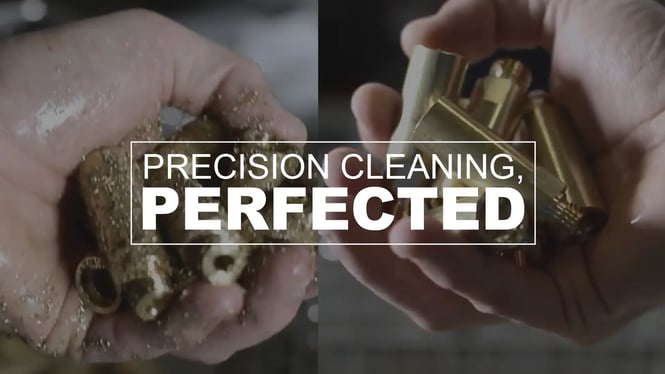
Modern cleaning demands in precision manufacturing continue to increase as tolerances tighten and cleanliness specifications become more stringent. The right parts washer choice depends on understanding your specific application requirements and matching them to the strengths of each technology.
iFP Clean offers a complete range of solvent, hybrid, and custom parts washing systems designed for precision cleaning in demanding industrial applications. Our U.S.-based support team can help you evaluate your specific requirements and recommend the optimal cleaning solution for your operation.
