

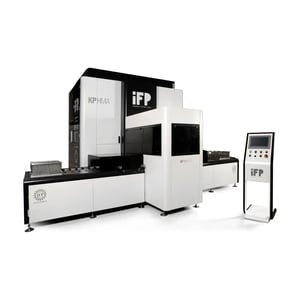
Solvent cost hides inside "consumables," next to rags and filters, which makes it easy to underestimate. In reality, it's one of the biggest recurring costs in parts washing — and how a system handles solvent turnover is what determines whether that cost keeps climbing or levels off.
The Legacy Model: Pay by the Dump
In an open-top or flood-spray washer, solvent doesn't wear out chemically. It gets replaced because oils, coolants, and fines build up faster than they can be filtered out. Once the bath is too dirty to clean effectively, the whole volume gets dumped, drummed, and hauled away — and refilled with fresh solvent at full price. Every dump cycle stacks disposal fees, new chemistry, and the downtime to drain and refill.
The Distillation Model: Pay for What's Actually Consumed
A vacuum degreasing system with integrated distillation never dumps the bath. It continuously pulls solvent off, distills out the oil and particulate, and returns clean solvent to the sump — concentrating waste into a small residue instead of a full tank. iFP's KP series runs this cycle down to vacuum values as low as 1 millibar, which is what drives that separation close to complete.
The numbers back this up. One documented shop conversion from immersion washing to vacuum degreasing saw roughly 95% savings on washing product consumption, 99% waste recovery through filtration, and about 40% lower energy use. And with modified alcohol chemistry, a well-maintained system consumes less than a tenth of a gallon of fresh solvent for every ten gallons of oil removed — roughly a 1% consumption ratio, versus a legacy bath's full-volume replacement cost.
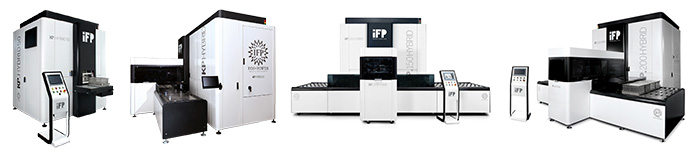
What That Looks Like on an iFP Clean System
Kyzen modified alcohol, paired with iFP Clean's airtight vacuum chamber, cleans equally well on oil- and water-based coolants, so mixed contamination doesn't mean separate chemistries. Automatic distillation, filtration, and oil separation run continuously, assuring what iFP Clean calls minuscule cleaning chemistry costs instead of a recurring line item:
- No water use — no rinse tank, no water conditioning
- No consumable chemistry cost — solvent is recovered and reused, not repurchased
- No typical wash waste disposal — a small residue instead of a full drum per dump
- No detergent mixing or monitoring — no bath chemistry to babysit
- No hazardous chemistries — modified alcohol is non-hazardous and biodegradable
The Bottom Line
Legacy systems tie cleaning cost to dump frequency. Distillation ties it to actual solvent consumption — which is a much smaller number. The savings compound with volume, but the first thing most shops notice is consistency: solvent quality stays the same from the first part of a shift to the last, instead of degrading as the bath loads up.
If you're still pricing cleaning cost by the dump cycle, it's worth running your numbers against a system built to eliminate that cycle. Contact iFP Clean to see what it looks like for your solvent load and throughput.
